The Myth of the One True Way to Show Support
Explore how supporter traditions, shared memories, practical contributions, and club language build belonging beyond the songs heard from the stands.
The most common mistake in supporter culture is treating a club’s history as a finished story, owned only by the people who remember its famous days. That can leave newer supporters feeling like visitors and reduce belonging to knowing old songs or landmark matches. Shared memory grows when people can connect inherited stories with what the club means to them now.
A team’s past travels through more than trophies. It lives in a familiar phrase on a scarf, a match recalled on the bus, a name painted on a neighborhood wall, and the habits people carry into a new season. These details are not all equally important to everyone, and that is part of what makes a community’s memory alive.
Stories that travel
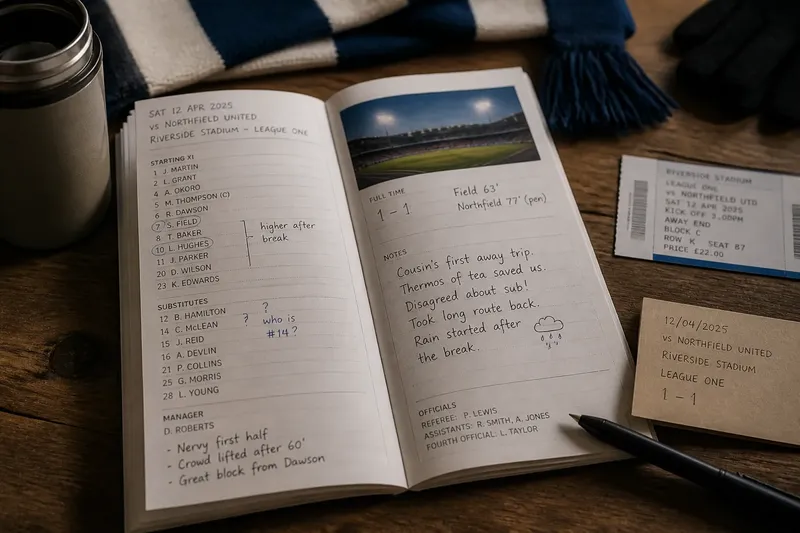
Supporter stories often begin with a person rather than a result: a relative who listened to radio commentary in the kitchen, a friend who kept a ticket stub, or a neighbor who brought everyone together after a difficult season. The match matters, but so does the setting in which it was remembered.
When someone shares an old story, invite its details instead of turning it into a quiz. Ask where they watched, who was there, or what they remember hearing afterward. Those questions let the teller decide what matters, and they give younger supporters a way into the history without pretending they were present.
Language with a past
Chants, nicknames, and local expressions can hold layers of meaning. A short line may refer to a player, a neighborhood rivalry, or a moment that older supporters still discuss. Repeating it without context can make it sound like a password; explaining its background can make it an invitation to understand the group’s voice.
Not every expression deserves preservation. Some phrases may carry insults or references that have become hurtful, while others may simply no longer fit the people who gather now. A club or supporter group can discuss what a phrase means today, who it welcomes, and whether a new version would keep the spirit without the harm.
Who gets remembered?
Public histories tend to favor headline moments and prominent figures. Everyday contributions can disappear: the person who organized travel, the neighbor who opened a room for matchday gatherings, or the supporter who welcomed visitors for years. Making space for those accounts gives a fuller picture of how a sporting community actually works.
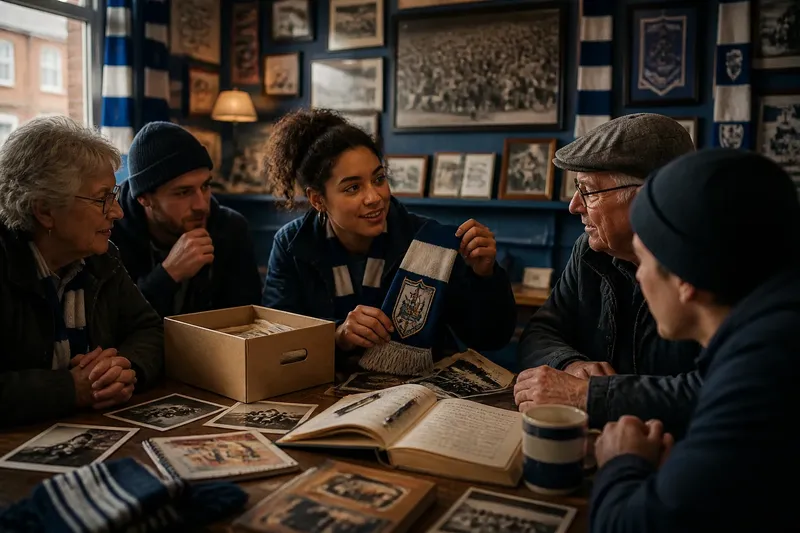
Say a neighborhood supporters’ group is preparing a small display for a club anniversary. Its starting materials are a box of old programs, a few photographs, and memories from people who attend regularly. Members sort the items by theme, ask contributors for names and context, and include a short note explaining what remains uncertain. The expected result is a display that distinguishes documented details from recollection and gives visitors more than a list of celebrated matches.
How does memory make room?
How can a new supporter learn club history?
Start with a club museum, an official history, local newspaper archives, or conversations with longtime supporters. Treat personal memories as valuable accounts, while checking dates and disputed details against reliable records.
What belongs in a supporter archive?
Programs, photographs, flyers, scarves, recorded recollections, and notes about matchday customs can all help tell a community’s story. Keep identifying details and permission in mind before sharing personal photographs or recordings publicly.
How should groups handle a harmful old chant?
Discuss the phrase’s history and present effect with people who are affected by it, rather than assuming nostalgia settles the question. A group can retire it, change its wording, or explain why it no longer belongs in the shared repertoire.
Can one person’s memory stand for everyone?
No single account captures a whole crowd. Label personal recollections as such, invite different voices, and leave room for disagreement where memories do not match.
Keep useful records
- Check the source of a date: If a program or newspaper confirms it, record the source; if accounts conflict, mark the date as uncertain rather than choosing the neatest version.
- Check who is identified in a photograph: If names are confirmed and permission is clear, include them; if not, use a general caption or leave the image private.
- Check the context of a chant: If its origin is understood and the wording welcomes people, explain it; if it targets a group, discuss a replacement or retire it.
- Check whose stories are missing: If the collection mostly features one generation or role, invite other contributors; if people prefer not to share, respect that choice and note the gap without speculation.
- Check whether an object has a known owner: If the owner agrees to lend or donate it, record that arrangement; if ownership is unclear, do not display it as a permanent contribution.
- Check whether a memory is firsthand: If the teller witnessed the event, describe it as a personal recollection; if it was passed along, identify it as a story they inherited.
It is not worth the effort to make every supporter agree on a single official memory. A useful archive can hold a verified date, a family story, and an unresolved disagreement side by side, as long as it labels each honestly.
Make the past shareable
Imagine a supporter named Maya has inherited a scarf and a story from her grandfather about a rainy cup match. She starts with the scarf’s sewn club crest, checks an old program for the match date, and asks her grandfather which details he remembers firsthand. The program confirms the date, while his account supplies the atmosphere and the people who traveled with him. Maya writes a caption that separates those sources; the result is a small piece of club history that honors one family’s memory without presenting it as everyone’s.
That kind of care makes the past easier to share. A new supporter can learn an old chant’s meaning, question a tradition that no longer fits, or add a memory that would otherwise go unrecorded. To show support is not to repeat history unchanged; it is to help decide which stories, words, and customs the next crowd can carry forward.