A First Visit to a Community Sports Gathering
A first visit to a community sports gathering is easier when you know where to sit, what to bring, and how to handle the practical details with ease.
The most common newcomer mistake at a community sports gathering is treating every unfamiliar custom as a test. That can turn a relaxed afternoon into a tense search for the right seat, words, and moment. A first visit to a community sports gathering is easier when you have a few practical details sorted before you arrive.
Local games have their own rhythms, but visitors also need ordinary information: where spectators enter, what the venue allows, and whom to ask for help. A little preparation leaves more attention for the match and the people around it.
Check the basics
Before leaving home, look at the event’s public information for the venue entrance, ticket or donation arrangements, and visitor guidance. A neighborhood club’s website, community noticeboard, or social media page may explain whether the event is open to everyone and where spectators can sit. If details are missing, send the organizer a brief message rather than relying on a guess.
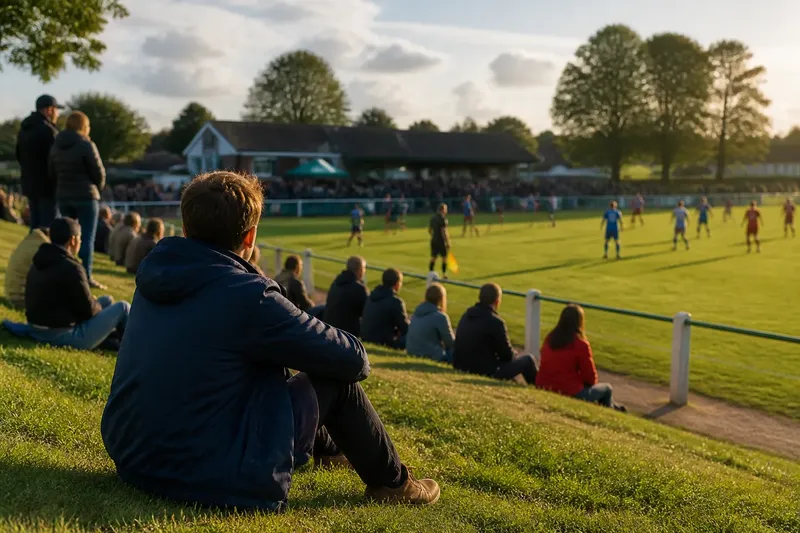
Check the forecast and choose clothing for the conditions and the surface. A small ground may have grass banks, exposed benches, or standing areas instead of numbered seats. Review venue rules before packing food, a camera, or anything that could distract others. Comfortable shoes and a weather-appropriate jacket are more useful than trying to dress like an established supporter.
Arrive with enough time to find the entrance and settle in without rushing. If you are meeting a friend, agree on a clear meeting point in case the entrance is busy or you get separated.
Find your place
Look for signs identifying spectator areas, entrances, and restricted spaces. If there is a steward or organizer nearby, ask where visitors should stand or sit. Keep paths, gates, and access routes clear, and avoid areas set aside for players, coaches, or officials.
At a compact ground, the best place to watch may depend on the layout. A spot near the middle can offer a broad view; a seat farther back may be preferable if people are moving along the touchline. Follow posted guidance rather than assuming that an empty bench or open patch is available to spectators.
Notice practical details soon after you arrive: where the restrooms are, whether there is a refreshment table, and how to reach the exit. These small bearings are especially helpful if you are with children or anyone who may need to leave the crowd easily.
Understand the local rhythm
Watch how the match and the crowd move together. Applause may follow a good passage of play, a groan may mark a missed chance, and people may make room when a volunteer carries equipment. These reactions offer context, not instructions you must follow.
For safety and courtesy, keep a path clear when players or staff need to pass, and wait for a break before crossing behind a goal if the venue’s layout makes that appropriate. Follow signs and any direction from event staff. If a local practice is unclear, ask during a pause instead of interrupting play or stepping into a restricted area.
Some gatherings have chants or familiar phrases; others do not. You can enjoy the sound without knowing the words. If you do want to join a chant, listen for its rhythm and where it begins before adding your voice. There is no need to lead or repeat words you do not understand.
Pack with purpose
Keep your bag simple and check the venue’s rules before you go. A practical list can help:
- Event details: Check whether admission requires a ticket, cash, or a donation; if the instructions are clear, prepare accordingly, and if they are not, contact the organizer.
- Weather: Check the forecast; if rain or cold is expected, bring suitable outerwear, and if conditions are mild, avoid carrying bulky layers you will not use.
- Footwear: Check whether the route or viewing area includes grass, gravel, or steps; if so, choose shoes with a steady sole, and if the venue is fully paved, wear whatever remains comfortable.
- Food and drink: Check the venue’s policy; if outside items are allowed, bring only what you need, and if they are restricted, use the club’s refreshment option or plan to eat beforehand.
- Camera or phone: Check for photography rules; if photos are permitted, keep the device out of other spectators’ sightlines, and if photography is restricted, leave it packed away.
- Access needs: Check the venue’s access information; if you need a particular route or place to sit, ask the organizer before arrival, and if the published details are unclear, request specific guidance.
What is not worth the effort is memorizing every player’s name, learning every chant in advance, or buying club colors just to avoid looking new. Those details may become enjoyable later, but they are not entry requirements. A clear plan for getting in, finding a suitable spot, and following venue rules matters more.
Questions visitors ask?
Where should I sit?
Use a marked spectator area or ask a steward where visitors can sit. If a bench or boundary looks connected to the team area, check before taking that spot.
Do I need to know the rules?
No specialist knowledge is needed to watch a local game. If a call confuses you, ask a companion during a break or check the sport’s basic rules afterward.
Can I bring children?
Check the event’s visitor information for family guidance and facilities. Choose a place where children can watch without blocking players, officials, or other spectators.
What should I do if I need help?
Look for an organizer, steward, or clearly marked help point. Explain the practical issue briefly, such as needing directions or a more accessible route, and follow the guidance they provide.
Make the visit manageable
Say you are going to a neighborhood soccer match and the club page lists an open grass bank, a small refreshment table, and a request to keep the path behind the goal clear. You check the weather, choose shoes suited to grass, bring a light jacket, and leave your camera at home because the photography policy is unclear. At the entrance, you ask a volunteer where visitors may sit; they point you to the bank, away from the team area. The result is a straightforward plan: you have a place to watch, know where to get a drink, and can leave the path open without having to guess.
After the match, follow the crowd’s movement toward the exit and avoid lingering in a narrow walkway. If you want to thank an organizer or ask about another fixture, do so once they are free. These small choices help keep a community event comfortable for visitors and regulars alike.
For a first visit to a community sports gathering, the most useful preparation is specific rather than elaborate: confirm the basics, pack for the actual setting, and ask staff when a boundary or rule is unclear. That leaves you free to decide what you enjoyed and whether you would like to come back.